

Garofalove. L'amore, quello vero.
Parte la nuova campagna Garofalove: Pasta Garofalo è un atto d’amore, da parte di chi la produce e di chi la sceglie.
Scopri di più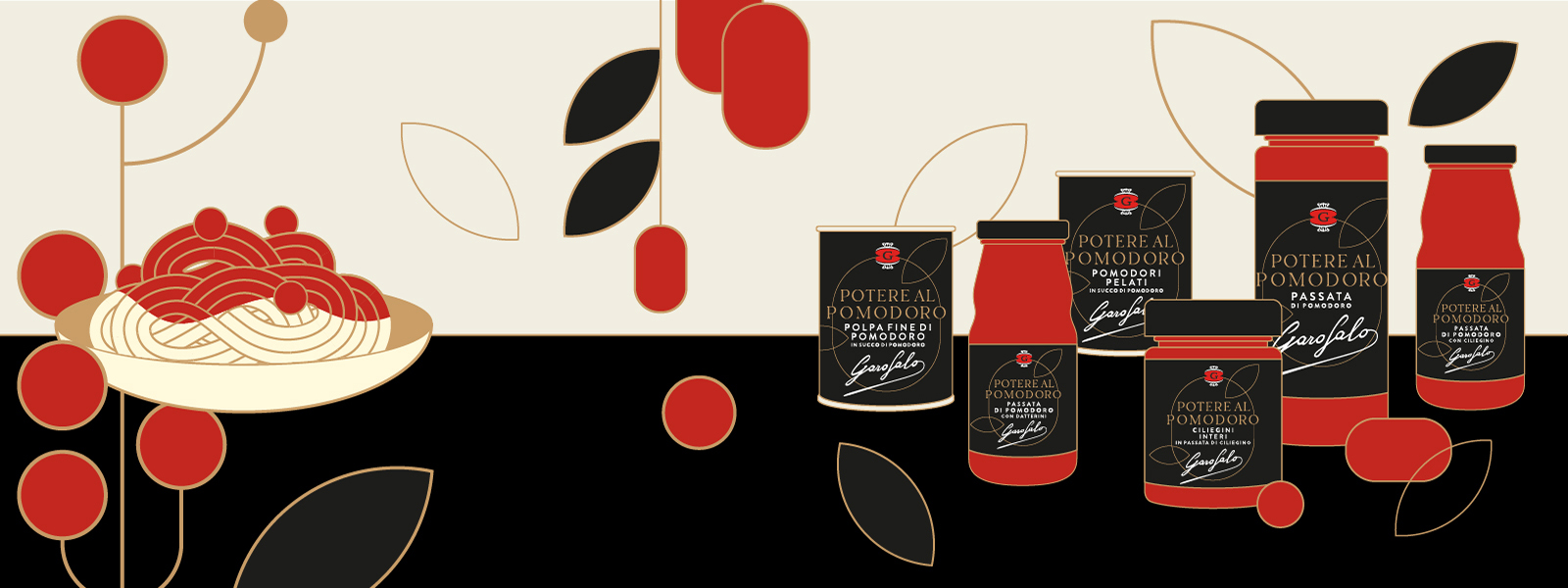
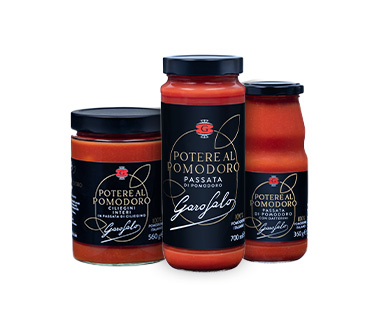
NASCE LA LINEA POTERE AL POMODORO. LA PRIMA DI GAROFALO.
Pelati, Polpa Fine di Pomodoro, Passata di Pomodoro e 3 specialità imperdibili: Passata con Datterini, Ciliegini Interi in Passata di Ciliegino, Passata con Ciliegino. Tutti con pomodoro 100% italiano.
Scopri cosa sa fare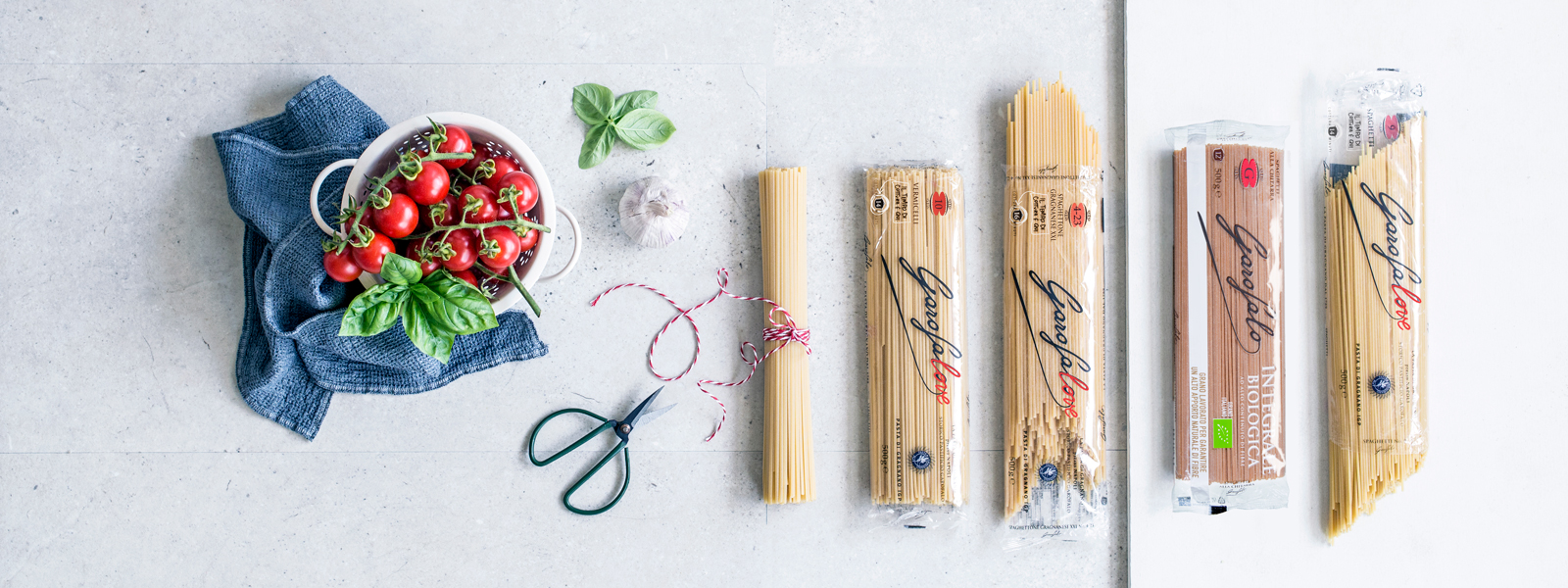
Pasta Garofalo,
unica per passione.
Dal 1789 ricerchiamo la perfezione.
Alla sapienza antica del territorio di Gragnano, abbiamo unito la nostra originale innovazione. Il risultato è un’esperienza di gusto unica, con il certificato di garanzia Pasta di Gragnano IGP.
Prodotti
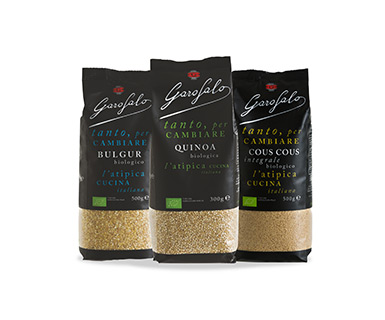
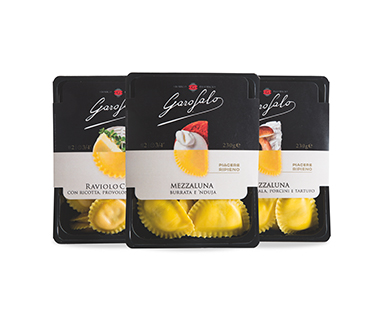
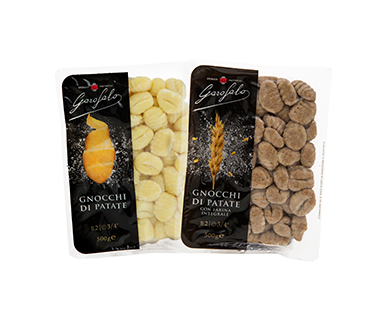
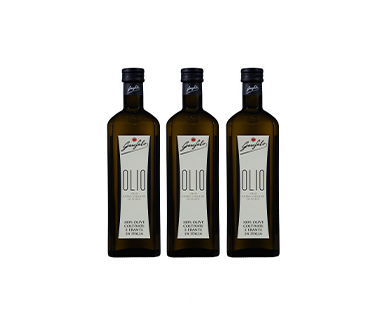
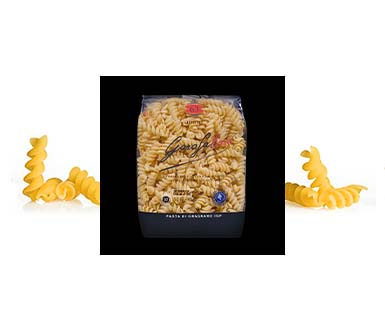
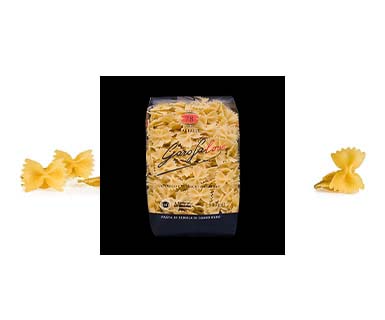
Dai formati più tradizionali a quelli più creativi, scopri le linee Pasta Garofalo.
Con una certezza: per tutti i nostri prodotti scegliamo solo la qualità dei migliori grani al mondo.
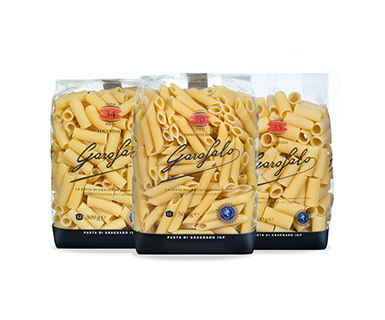
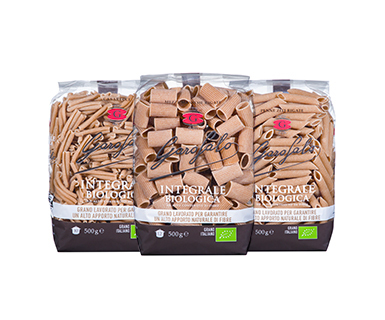
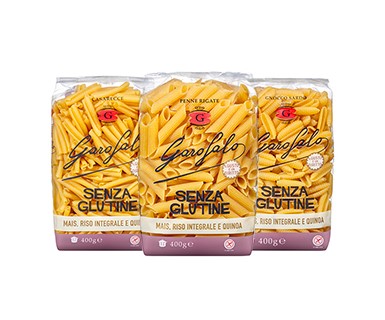
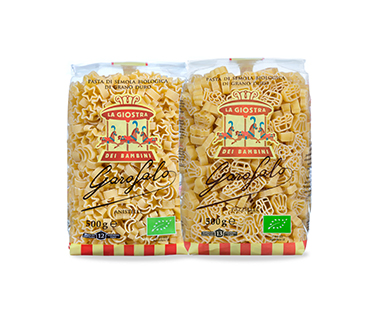
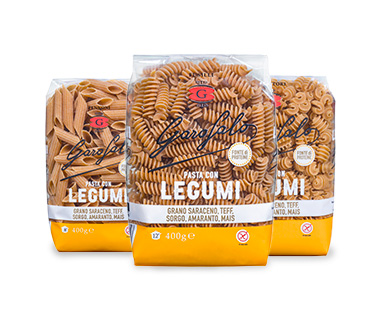
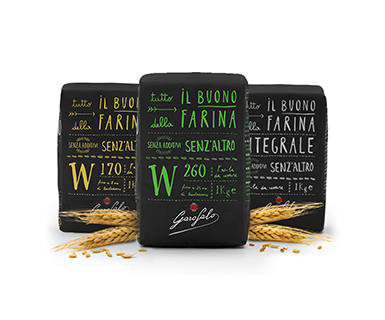
UNA VITTORIA DA GUSTARE ANCHE A TAVOLA
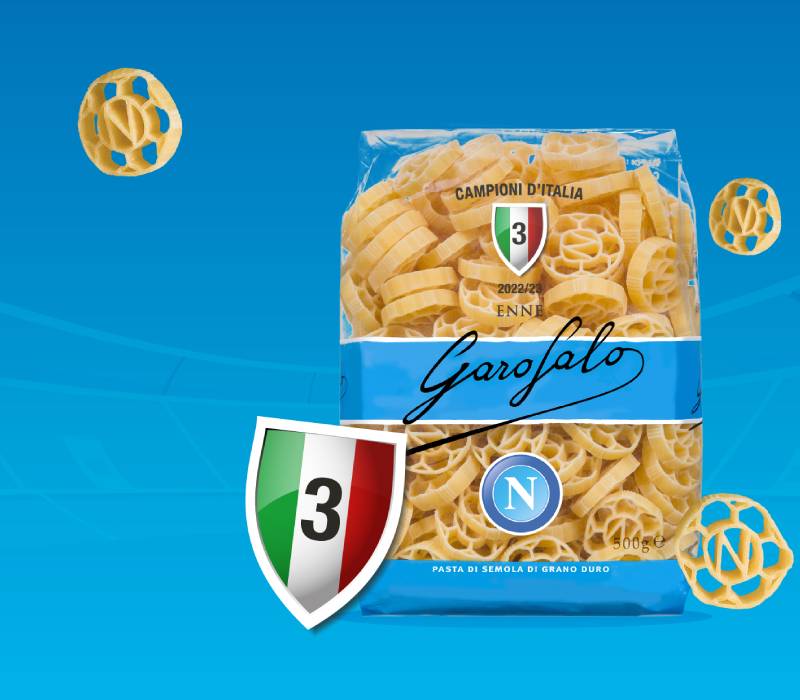
Pasta Garofalo festeggia il terzo scudetto del Napoli con ENNE, l'esclusivo formato da veri campioni.
Scopri di più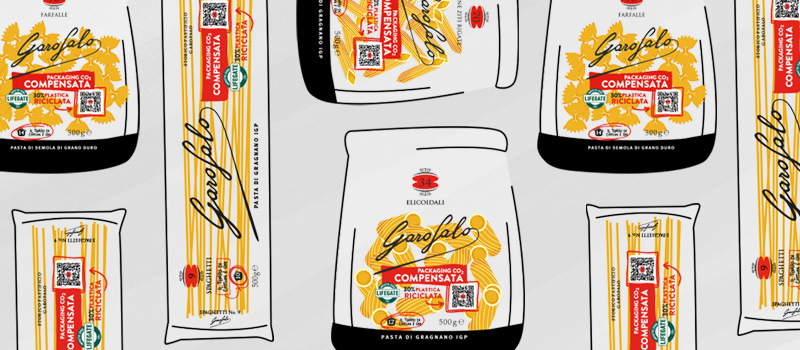
Innamorati del pianeta
Vi presentiamo il nuovo packaging composto per il 30% da plastica riciclata
Scopri di più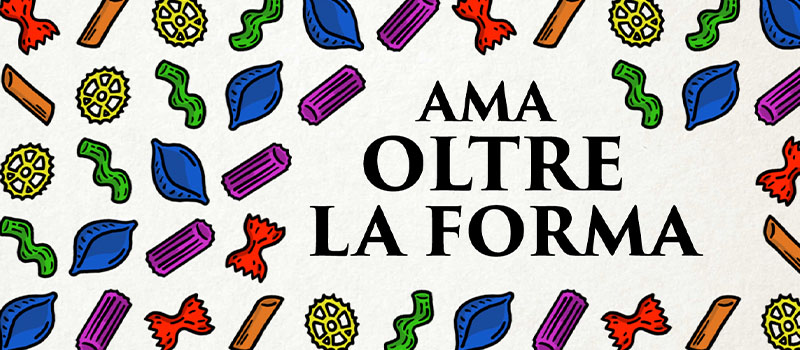
Ama oltre la forma
Pasta Garofalo, celebra l’amore oltre la forma in occasione del #Pride
Scopri di piùIl Mondo Pasta Garofalo
La nostra passione applicata in ogni campo.
Scopri le campagne e le iniziative che portano Pasta Garofalo a ricercare l’eccellenza in tutto quello che fa,
lasciandosi ispirare dalla cultura della buona tavola e del vivere bene.
Pasta Garofalo e l'Mpasta
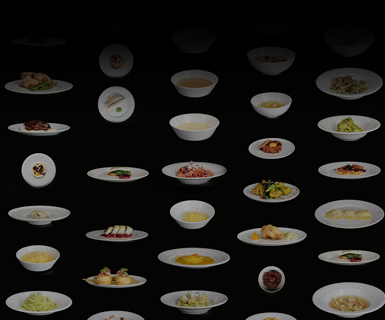
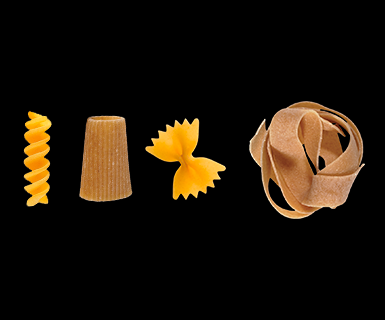
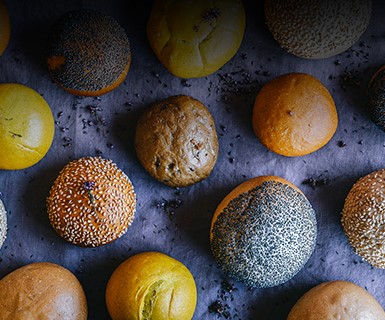
Food innovation ed economia circolare applicata al settore agroalimentare.
 Scopri di più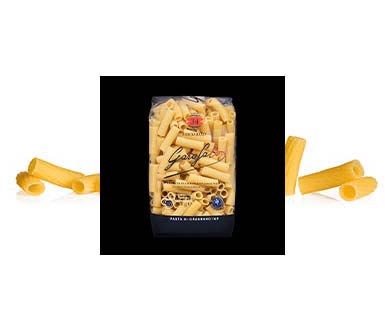
Una storia di eccellenza
Gragnano, alle pendici del Golfo di Napoli, è la nostra storica sede produttiva.
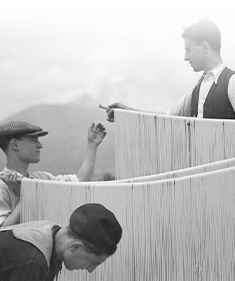
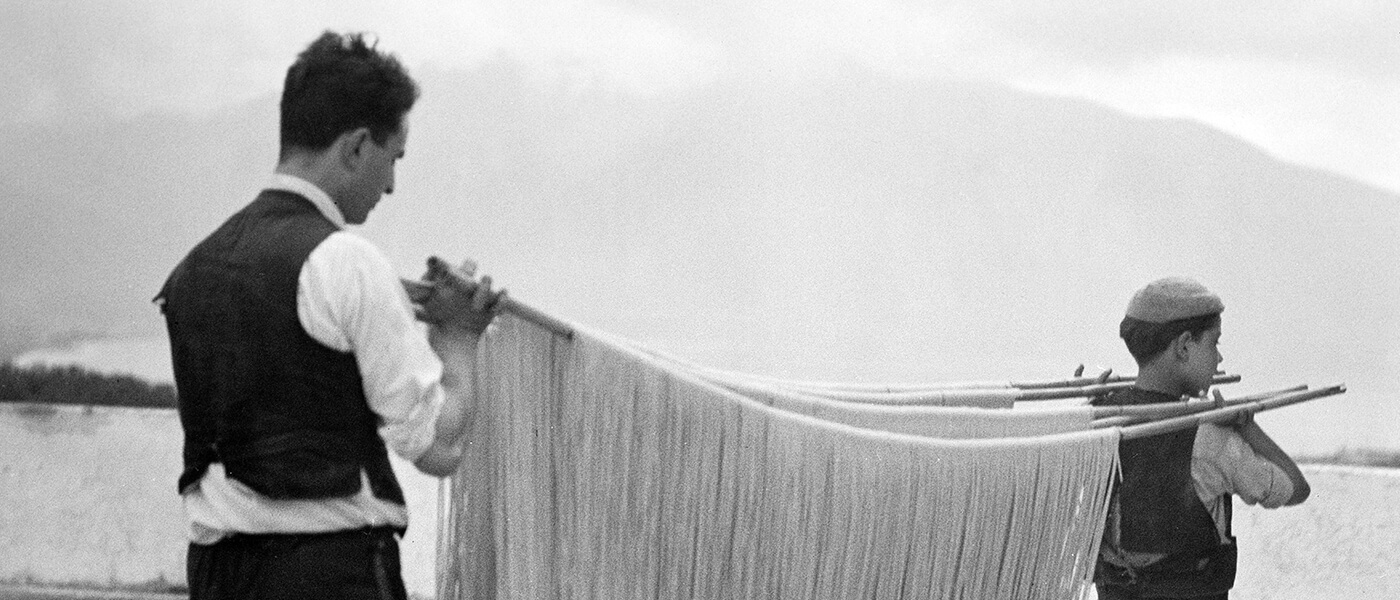
Con i suoi Mulini e con le sue sorgenti di acqua dalle composizioni minerali perfette per realizzare l’impasto, con la sua leggendaria tradizione artigiana, con le sue strade in cui si camminava a fianco della pasta lunga lasciata ad essiccare, e i suoi tetti assolati in cui essiccava la pasta corta, Gragnano ha di per sé un patrimonio di eccellenza, oggi certificato dal marchio IGP di cui siamo orgogliosi.
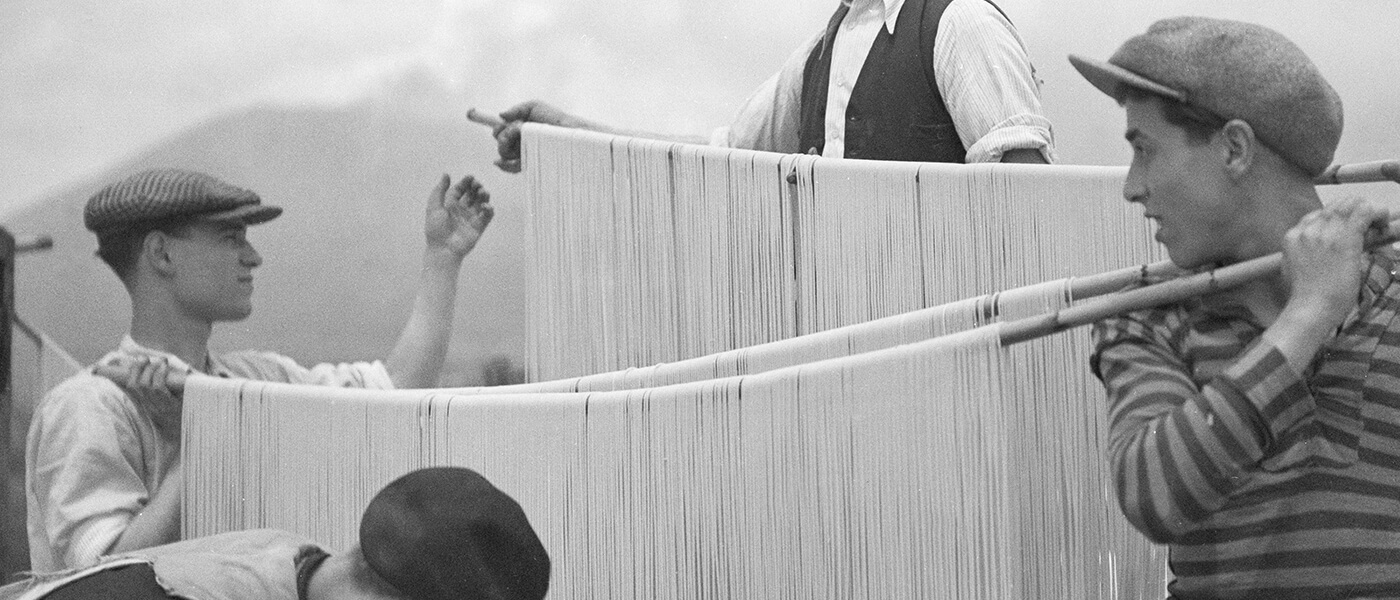
La nostra storia è documentata dal 1789, attestandosi come una delle realtà più antiche del settore.
Negli anni la produzione di pasta si è evoluta, e Garofalo è sempre stato protagonista di questa storia, grazie alla sua capacità di mantenere viva la tradizione mettendola al servizio della modernità e della tecnologia. Conoscere le radici di Garofalo è un primo passo per capire da dove provengono la sua passione, la sua sapienza e il suo spirito innovatore.